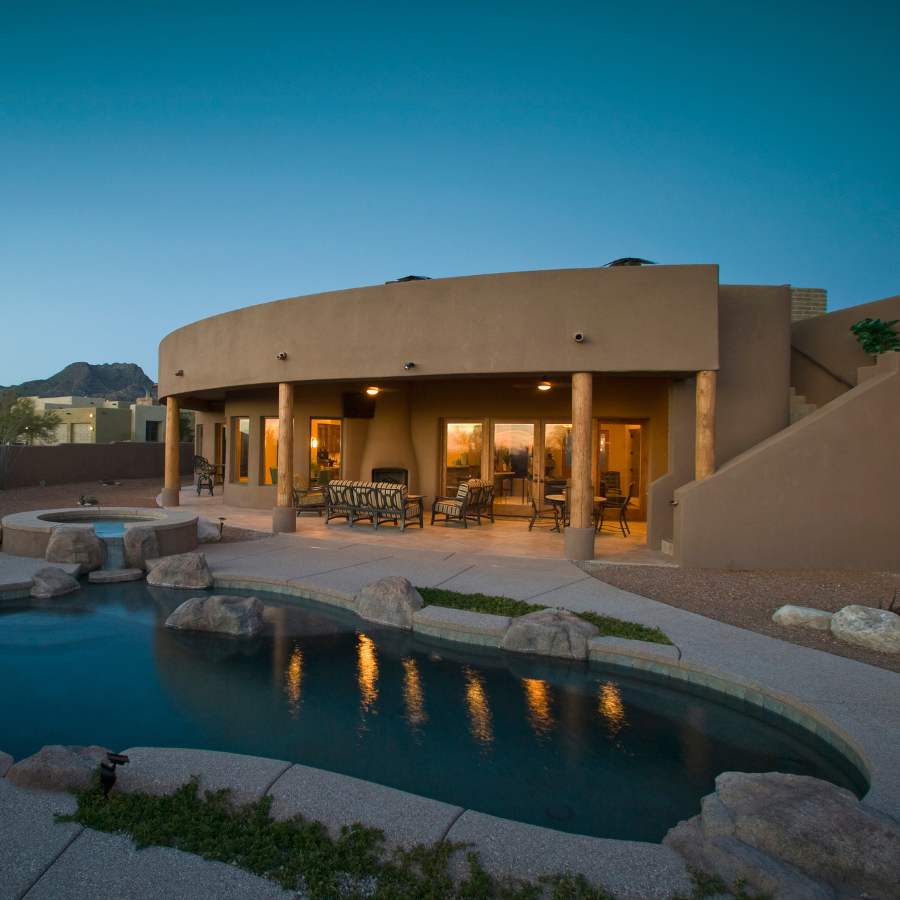
Three days before closing, an Arizona buyer walks through their future home for a final inspection before becoming the legal owner. The moving truck is booked, and weeks ago the seller agreed to replace the cracked roof tiles over the back patio. During the final walk-through, it’s discovered the tiles are still cracked.
This is exactly what the final walk-through is for and why the timing matters. Under the standard Arizona resale purchase contract, once the buyer delivers written notice of an incomplete repair, the seller has three days to complete it. A walk-through on the morning of closing leaves no room for that window.
A missed repair rarely has to derail a closing entirely. There are several ways for buyers and sellers to resolve outstanding issues, and an escrow holdback is one of them. It’s a useful tool that works best as a fallback once the simpler options are off the table.
What Is an Escrow Holdback?
An escrow holdback allows the sale to close on schedule while a portion of the seller’s proceeds stays in escrow until the unfinished work is complete. Once the work is verified, the funds are released.
Most holdbacks cover a repair the seller already agreed to make. Occasionally, a holdback covers damage and necessary repairs that are discovered right before closing. Each one requires a written agreement signed by the buyer and seller, the escrow company’s agreement to hold the funds and, if the buyer is financing, the lender’s approval.
How an Escrow Holdback Works
The process starts when the buyer, seller, appraiser or inspector identifies work that cannot be finished before closing. The buyer and seller then sign a holdback agreement that defines the work, the deadline and the amount to be held. These are is usually based on a contractor’s estimate. At closing, that amount is withheld from the seller’s proceeds and held by the escrow company.
Once the work is completed and confirmed by an inspection or paid invoice, the funds are disbursed. If the deadline passes and the work isn’t done, the agreement controls what happens next. It may allow the buyer to use the funds to hire another contractor, and it should specify how any remaining balance is handled.
When a Holdback Makes Sense
A holdback earns its place when two things are true: the work cannot reasonably be finished within the three-day cure period, and its cost is clear enough to set aside a fixed amount.
In Arizona, the usual culprit is the calendar. Roofers can be booked out for weeks, and exterior painting can be pushed back by monsoon storms or triple-digit heat. Holdbacks are also employed when windows or appliances are backordered, when a lender allows minor appraisal items to be completed after closing or when the seller hasn’t finished removing belongings. In some cases, a small amount is held to cover a final utility bill or a pending HOA assessment.
Talk to the Lender First
When the buyer is financing, the lender has a say before anyone signs a holdback agreement. Many loan programs allow holdbacks only for items that don’t affect the home’s safety, soundness or insurability. Cosmetic patio work may or may not qualify. A roof leak over the bedrooms likely needs fixed before the loan can close.
Cash buyers have more flexibility since there is no lender to go through. But the escrow company still has to agree to hold the funds, and the terms still need to be in writing.
The Title Company’s Role
In a holdback, the title company acts as a neutral third party. Its job is to hold the funds and release them exactly as the written agreement directs. Before closing, the escrow officer reviews the holdback terms, confirms the lender’s approval and prepares escrow instructions for both parties to sign. At closing, the agreed amount is withheld from the seller’s proceeds and held in escrow. After closing, the escrow officer tracks the deadline and waits for the documentation the agreement requires, such as a paid invoice, a final inspection or a written release signed by the buyer. Once that documentation is received, the funds are disbursed.
If the buyer and seller disagree about whether the work was completed, the title company cannot settle the dispute for them. The funds generally stay in escrow until both parties sign new instructions or a court directs otherwise.
Is an Escrow Holdback the Only Option?
No, and in many cases it isn’t the first one to reach for. Here is how each path could play out for those cracked roof tiles:
- The seller completes the repair within the cure period
The buyer, through their agent, delivers written notice that the repair is incomplete. Then the seller has three days to fix it. Because the walk-through happened three days out, the roofer can make the repair, and a quick follow-up walk-through can confirm it without moving the closing date.
- The seller provides a credit
If the roofer can’t make repairs in time, the seller can credit the buyer at closing for the cost of the repair. The buyer then schedules the work after moving in. Nothing is held in escrow, and nothing needs to be tracked after closing. Lenders limit how much a seller can contribute and generally won’t allow a credit larger than the buyer’s closing costs. This means the amount needs the lender’s sign-off.
- The parties agree to move the closing date
If the repair needs a few more days, the buyer and seller can sign an amendment to push the closing back. It’s simple on paper, but it can affect rate locks, move-in and move-out plans.
- An escrow holdback
When the repair can’t be made on time, a credit doesn’t fit and a delay isn’t workable, a holdback lets the sale close while keeping the buyer protected.
- The buyer cancels the sale
Walking away days before closing is the most drastic option and shouldn’t be taken lightly. It can result in losing a locked interest rate, scrambling for housing after a lease has ended and restarting a home search from scratch. This option is generally reserved for major problems the seller will not or cannot fix.
Cancellation is generally only an option after the seller receives written notice and fails to cure, and it can raise questions about who keeps the earnest money. It’s important to talk to an agent and real estate attorney before taking this step.
Get Everything in Writing
A verbal promise to “get the roof repaired soon” won’t help anyone six weeks after closing. If a holdback is the right fit, the buyer’s agent should work with the escrow officer to document every single term. The agreement should spell out:
- The exact scope of work to be completed
- The amount to be held
- The completion deadline
- How completion is verified
- How and to whom funds are released
- What happens if the work isn’t finished
Keeping the Closing on Track
An unfinished repair at the final walk-through is frustrating, but it rarely has to halt closing. A walk-through scheduled with time to spare gives everyone room to work. When both sides know their options, the question changes from “now what?” to “which fix makes sense?”
The team of experts at Landmark Title works alongside buyers, sellers and real estate professionals to handle credits, extensions and holdbacks in escrow and keep closings on schedule. If you have questions about the holdback process, reach out to speak to an expert.